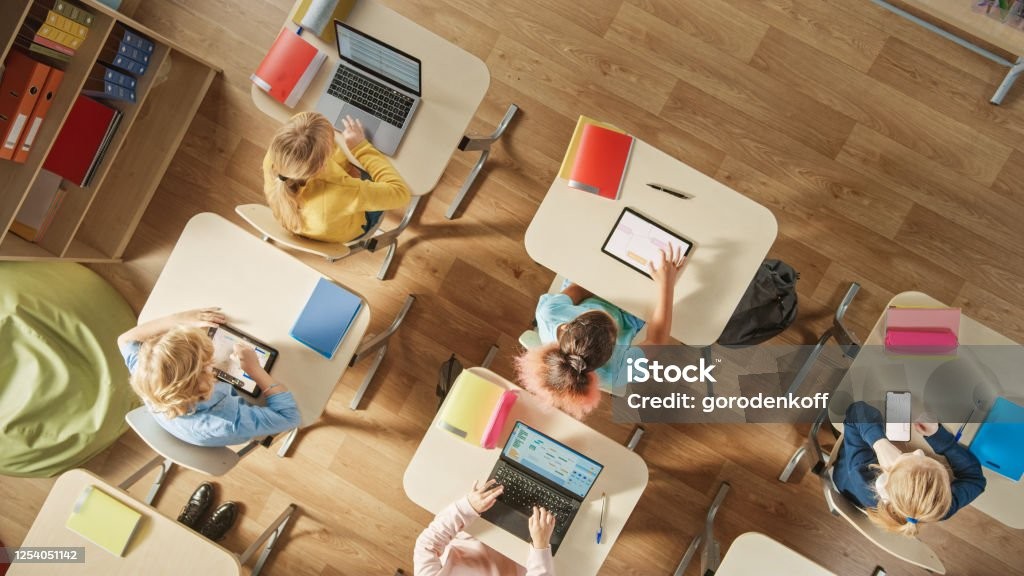

Education is one of the most powerful tools we have for personal and societal transformation. It opens doors, broadens perspectives, and empowers individuals to realize their full potential. From early childhood education to higher learning, education serves as the foundation for developing skills, knowledge, and values that help individuals thrive in the modern world.
The Importance of Education
At its core, education is about more than just acquiring knowledge; it’s about learning how to think critically, solve problems, and engage with the world around us. Education is essential not only for personal growth but also for creating a better society. When people are educated, they are more likely to contribute positively to their communities, advocate for justice, and pursue careers that benefit others.
Tip: Education isn’t just about memorizing facts—it’s about nurturing curiosity, creativity, and a passion for lifelong learning.
Breaking the Cycle of Poverty
One of the most significant impacts of education is its ability to break the cycle of poverty. By equipping individuals with the skills and knowledge necessary for economic opportunities, education can lift families out of poverty. Those who have access to quality education are more likely to secure stable jobs, earn higher wages, and improve their living conditions.
Tip: Providing accessible and affordable education, especially for marginalized groups, is key to fostering social mobility and reducing inequality.
Promoting Equality and Empowerment
Education is a powerful equalizer. It has the potential to level the playing field by giving all individuals, regardless of their background, the tools they need to succeed. It can empower individuals, especially women and girls, by offering them the knowledge and confidence to challenge stereotypes and pursue their dreams.
In many parts of the world, access to education for girls and women is still a challenge. However, studies show that when girls are educated, the entire community benefits—there is better health, economic prosperity, and stronger leadership.
Tip: Investing in girls’ education is one of the most impactful ways to build a healthier, more prosperous society.
The Role of Teachers in Education
Teachers play a central role in shaping the future of students. A passionate and dedicated teacher can inspire students, instill a love of learning, and encourage them to reach for their potential. Beyond academic knowledge, teachers impart valuable life skills such as communication, teamwork, and resilience.
Teachers also create safe and supportive learning environments, where students feel valued and empowered to express themselves. They can be mentors, guides, and role models who help students navigate the challenges of growing up.
Tip: Supporting teachers with ongoing professional development and resources helps them stay inspired and equipped to make a positive impact on their students.
The Importance of Lifelong Learning
Education doesn’t end with a diploma or degree. In today’s rapidly changing world, lifelong learning has become essential. With technological advancements and the global economy evolving, individuals must continually adapt and update their skills. Lifelong learning allows individuals to stay competitive in the workforce, build new competencies, and improve their overall quality of life.
Tip: Embrace learning as a lifelong journey. Whether it’s pursuing a new hobby, taking online courses, or attending workshops, staying curious and engaged with the world around you is key to growth.
The Role of Technology in Education
Technology has revolutionized the way we learn and teach. With the advent of online courses, virtual classrooms, and educational apps, learning has become more accessible and flexible than ever before. Technology enables personalized learning, where students can learn at their own pace, revisit lessons, and explore subjects of interest in depth.
Moreover, technology connects students with resources and knowledge from around the world, fostering global collaboration and understanding.
Tip: Embrace the integration of technology in education, but remember that it’s important to balance screen time with face-to-face interactions and hands-on learning experiences.
The Challenges Facing Education Today
Despite the immense value of education, there are still several challenges that many students and educators face. In some parts of the world, access to quality education remains limited due to factors like poverty, gender inequality, and lack of infrastructure. In other cases, traditional education systems may not adequately prepare students for the challenges of the modern world, such as critical thinking, problem-solving, and emotional intelligence.
Additionally, disparities in education quality between urban and rural areas, as well as gaps in digital access, can further widen inequality. Education systems must evolve to address these issues and ensure that all students have access to the same opportunities.
Tip: Advocating for educational reform and policies that prioritize equity, innovation, and accessibility can help bridge the gaps in education.
Conclusion: The Future of Education
Education is an investment in the future—of individuals, communities, and society as a whole. It shapes who we are, what we do, and how we relate to the world. By providing quality education to everyone, we can empower individuals to reach their potential, break the cycle of poverty, promote equality, and build stronger societies.
The role of education will only continue to grow as the world becomes more interconnected and complex. As we move forward, it’s crucial that we continue to innovate and adapt education systems to meet the needs of all learners, while ensuring that education remains a universal right for everyone, everywhere.
Tip: Let us commit to supporting and advancing education, not just for the benefit of individuals, but for the betterment of the entire world.