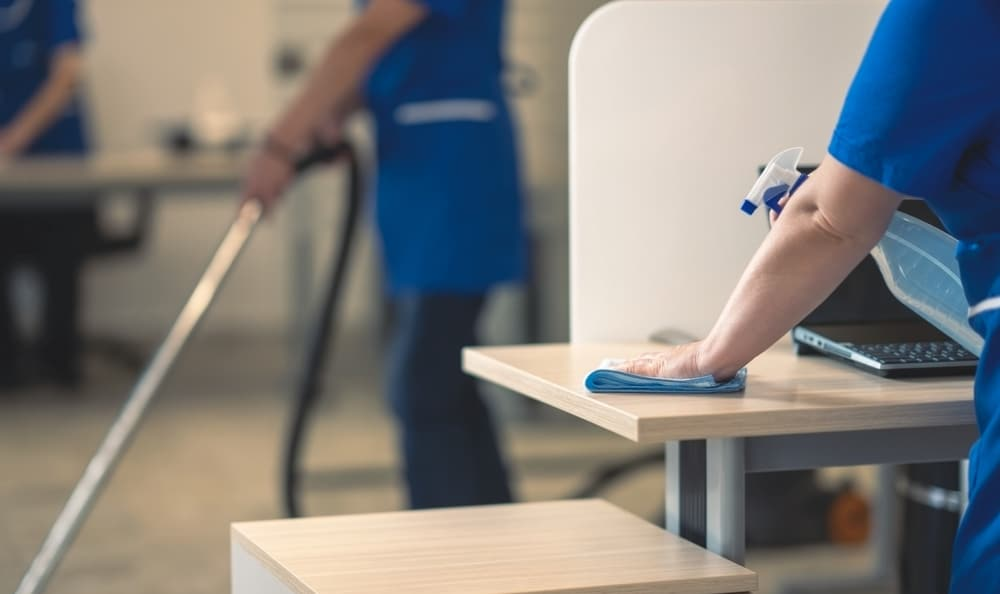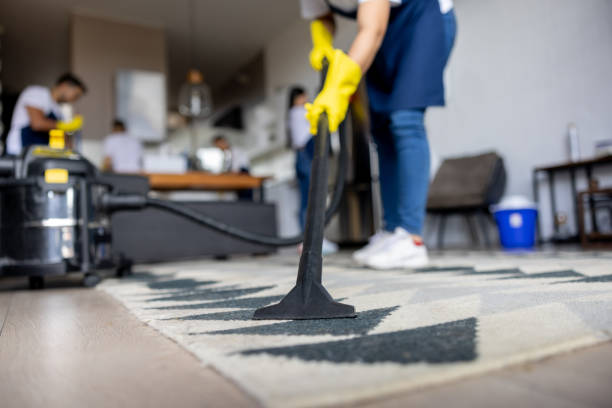
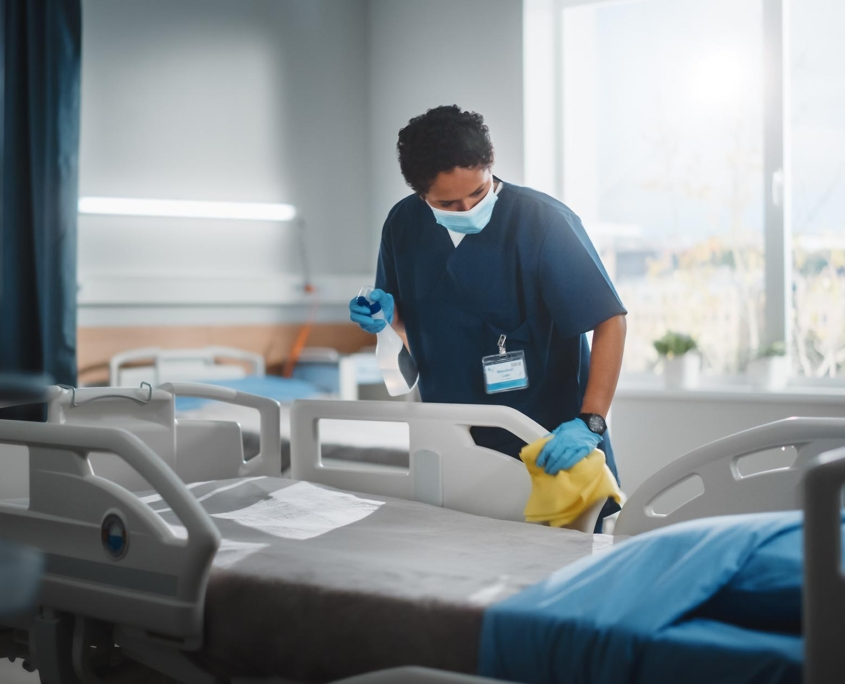

Hospital cleaners, also known as Environmental Services (EVS) staff, play a critical role in keeping healthcare facilities safe, hygienic, and well-functioning. Their work ensures that hospitals, clinics, and medical centers remain clean and secure for patients, visitors, and healthcare professionals.
Daily Responsibilities
Hospital cleaners in the Philippines perform a variety of important tasks, including:
- Sanitizing patient rooms, hallways, and waiting areas
- Disinfecting medical equipment and high-touch surfaces
- Handling medical and hazardous waste safely
- Restocking cleaning supplies and maintaining organized spaces
- Supporting infection-prevention protocols
Every task contributes to preventing the spread of infections and maintaining a healthy environment.
Training and Professional Skills
Even entry-level hospital cleaners receive training to follow strict safety and infection-control standards. This includes:
- Proper use of cleaning chemicals and equipment
- Hygiene protocols for different hospital areas
- Prevention of cross-contamination
- Working efficiently in fast-paced and high-risk environments
These skills ensure that healthcare spaces remain safe for patients, staff, and visitors alike.
Importance in Healthcare
Hospital cleaners are essential for the overall health of patients and staff. Their work:
- Reduces the risk of hospital-acquired infections
- Supports the work of doctors, nurses, and allied health professionals
- Enhances patient comfort and wellbeing
- Maintains a clean and welcoming environment for visitors
Although often unseen, their contributions are vital for safe and effective healthcare delivery.
Conclusion
Hospital cleaners in the Philippines are key to maintaining hygiene and safety in medical facilities. Their dedication ensures hospitals operate efficiently, patients recover safely, and healthcare staff can perform their roles in a clean and secure environment.