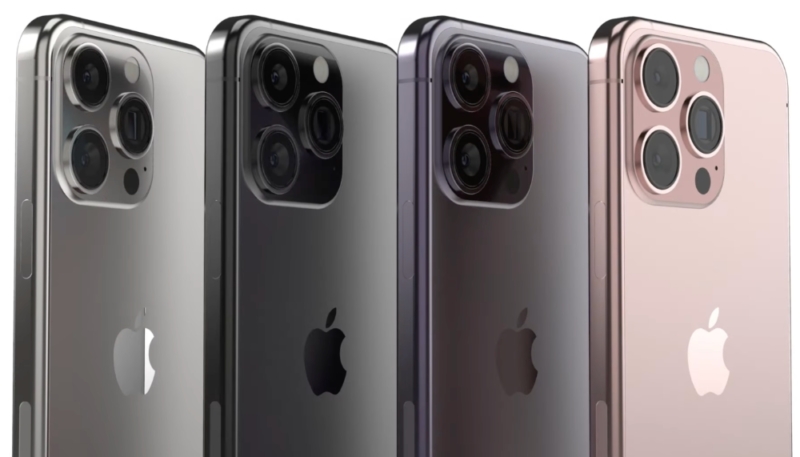

In today’s rapidly evolving technology landscape, acquiring the latest iPhone has become more accessible than ever through sophisticated financing options that balance cutting-edge technology with financial practicality.
Why iPhone Financing Matters in Modern Consumer Economics
The evolution of smartphone financing represents a fundamental shift in how consumers access premium technology while managing their financial resources effectively.
The Accessibility Revolution
Financing options have democratized access to premium technology, with 68% of premium smartphone purchases now utilizing some form of financing arrangement. According to recent market research, consumers who strategically use financing programs upgrade their devices 40% more frequently while maintaining better cash flow management than outright purchasers.
Total Cost of Ownership Considerations
When analyzed over a standard 24-month period, financed iPhones often demonstrate better value retention and flexibility compared to outright purchases. Studies show that consumers using carrier financing programs report 25% higher satisfaction with their upgrade cycles and device management strategies.
Credit Building Opportunities
Responsible financing of technology products has emerged as a legitimate credit-building strategy, particularly for younger consumers. Data from credit agencies indicates that consistent, on-time payments on device financing plans can improve credit scores by an average of 35 points over 18 months.
Case Study: Strategic Financing Success
“David, a 32-year-old marketing manager, optimized his iPhone financing strategy across three upgrade cycles. ‘By combining Apple’s iPhone Upgrade Program with carrier promotions and proper timing, I’ve maintained the latest technology while saving approximately $600 per cycle compared to outright purchases,’ he explains. ‘The key was understanding total costs rather than just monthly payments.'”
Core Strategies for iPhone Financing Success
Navigating iPhone financing requires a multi-dimensional approach combining financial analysis, timing strategy, and provider evaluation.
Financing Option Analysis
Carrier Programs: Verizon Device Payment, AT&T Next, T-Mobile JUMP! On Demand with varying terms and conditions
Manufacturer Programs: Apple iPhone Upgrade Program offering annual upgrades and AppleCare+ inclusion
Retailer Financing: Best Buy, Amazon, and major retailers with promotional financing periods
Third-Party Options: Affirm, Citizens Pay, and other point-of-sale financing solutions
Total Cost Evaluation Framework
Interest Rate Analysis: Comparing APR across all available options, including promotional 0% periods
Hidden Cost Identification: Activation fees, upgrade charges, and mandatory service requirements
Insurance Considerations: AppleCare+ vs. carrier insurance vs. third-party protection plans
Early Upgrade Economics: Calculating the true cost of upgrade programs versus traditional financing
Timing and Promotion Strategy
Seasonal Pattern Recognition: Identifying optimal purchase windows (back-to-school, holiday seasons, new model releases)
Carrier Competition Leverage: Utilizing competitive offers during peak market share battles
Trade-In Maximization: Strategic timing of trade-in offers and promotional bonus periods
Credit Score Optimization: Timing applications around credit report improvements for better terms
Implementation Framework: 90-Day Financing Strategy
Month 1: Research and Preparation
Review current iPhone models and anticipated release timelines
Check credit scores across all three bureaus and address any issues
Research current carrier promotions and manufacturer incentives
Determine ideal device specifications and budget parameters
Month 2: Provider Evaluation and Comparison
Create detailed comparison spreadsheet of all financing options
Calculate total costs over 24-36 month periods for each scenario
Contact providers for clarification on terms and promotional details
Identify 2-3 optimal financing paths based on individual priorities
Month 3: Execution and Setup
Apply for selected financing programs during optimal promotional windows
Complete required documentation and credit applications
Set up automatic payments and payment tracking systems
Implement device protection strategy and understand warranty terms
Essential Tools and Resources
Comparison and Analysis Platforms
Apple Store app for iPhone Upgrade Program details
Carrier comparison websites (WhistleOut, Wirefly)
Credit monitoring services (Credit Karma, Experian)
Financing calculator tools specific to device purchases
Financial Management Tools
Budgeting apps with dedicated device payment tracking
Payment calendar systems for multiple financing obligations
Credit score simulators for understanding application impact
Total cost of ownership calculators for long-term planning
Market Intelligence Resources
Apple announcement trackers and rumor sites for timing insights
Carrier promotion aggregators and deal alert systems
Trade-in value trackers (Gazelle, Decluttr comparisons)
Consumer protection resources for understanding financing rights
Measuring Financing Success
Financial Metrics
Total interest paid over financing period
Effective annual percentage rate (APR) including all fees
Opportunity cost compared to alternative investment of capital
Net cost after trade-in credits and promotional benefits
Flexibility Indicators
Early upgrade options and associated costs
Device protection and warranty transferability
International usage compatibility and limitations
Service plan flexibility and potential savings
Value Preservation Measures
Device resale value at various ownership points
Technology relevance throughout financing period
Software support longevity and update availability
Physical condition maintenance requirements
The Human Element in Technology Financing
Beyond financial calculations, successful iPhone financing requires personal awareness and behavioral considerations.
Usage Pattern Alignment
Matching financing terms to actual usage needs prevents overpayment for unnecessary features or premature upgrade cycles that don’t match real requirements.
Financial Behavior Integration
Understanding personal payment habits and budgeting styles ensures selected financing programs align with natural financial rhythms rather than creating stress.
Technology Adaptation Pace
Honest assessment of how quickly you adopt new features and need latest technology prevents financing programs that outpace actual usage patterns.
Future Trends in Device Financing
Market Evolution
Subscription Models: All-inclusive technology subscriptions bundling devices, service, and support
Sustainability Integration: Financing programs emphasizing device longevity, recycling, and carbon footprint reduction
Flexible Ownership: Hybrid models allowing transitions between leasing and ownership
AI-Powered Personalization: Dynamic financing terms adjusting to individual usage patterns and payment histories
Consumer Protection Developments
Regulatory Changes: Enhanced disclosure requirements and interest rate limitations
Standardized Comparison Tools: Government or industry-developed financing comparison platforms
Default Protection Innovations: Programs reducing risks of device repossession and credit damage
Financial Education Integration: Built-in tools helping consumers understand long-term implications
Conclusion: Smart Technology Acquisition Through Strategic Financing
iPhone financing has evolved from simple payment plans to sophisticated financial tools that, when used strategically, can provide superior access to technology while optimizing financial outcomes. By approaching device financing with the same rigor applied to other financial decisions, consumers can enjoy cutting-edge technology without compromising their financial health.
Success in iPhone financing comes from balancing immediate access desires with long-term financial planning, understanding total costs rather than focusing solely on monthly payments, and aligning financing strategies with personal technology usage patterns. The most satisfied consumers are those who view financing as an ongoing strategy rather than a one-time transaction, regularly evaluating their approach against changing needs and market conditions.
Remember that technology financing exists to serve your needs—not define them. By maintaining perspective on why you need the technology, how you’ll use it, and what represents genuine value, you can navigate financing options with confidence, securing not just a device, but a smart financial arrangement that supports your technological and financial goals simultaneously.