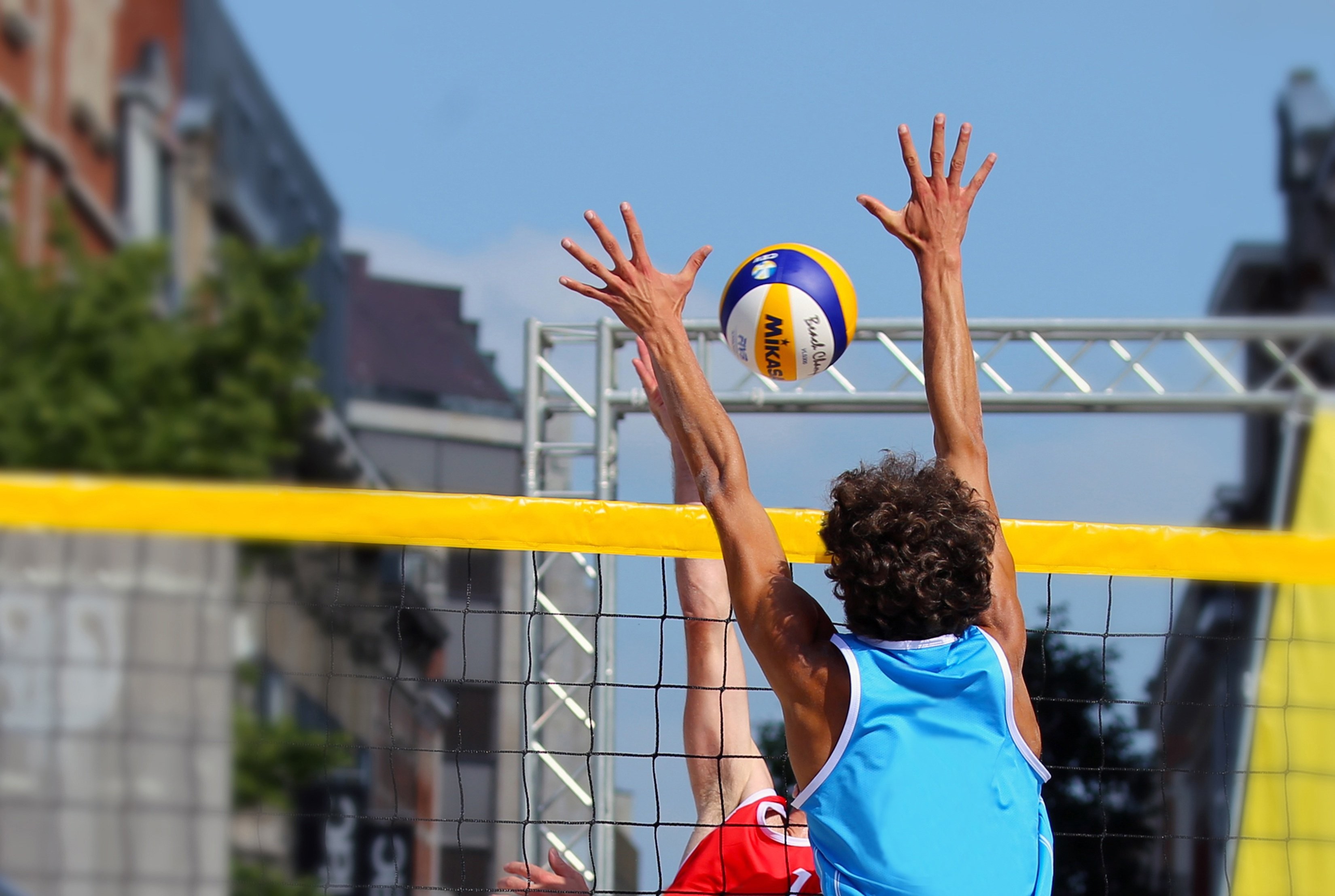

The Art of Athlete Training and Preparation: Maximizing Performance Through Science and Strategy

By Jason Chen | Updated June 2026
Elite athletes don’t succeed by talent alone. Behind every record-breaking sprint, championship win, or personal best lies years of strategic training, mental conditioning, proper nutrition, and smart recovery. Preparing for peak performance is a holistic process that blends science, discipline, and innovation.
Physical Conditioning: Building the Foundation of Performance
Physical conditioning is the cornerstone of athletic success. Every sport demands unique strength, endurance, and agility:
- Sprinters: Explosive speed and fast-twitch muscle development
- Soccer players: Endurance, agility, and tactical movement
- Weightlifters: Strength, power, and precise technique
Strength training, cardiovascular workouts, flexibility routines, and agility drills form a complete training program.
Example: Olympic swimmers often log over 20 hours in the pool each week, complemented by dry-land strength and core exercises. Basketball players may prioritize plyometrics to enhance vertical leap and lateral quickness.
Tip: Tailor your training to your sport’s specific demands. Focus on key muscle groups and movement patterns to maximize performance.
Mental Toughness: The Competitive Edge
Physical skills matter, but mental resilience often separates good athletes from great ones. Mental toughness enables athletes to push through pain, maintain focus under pressure, and recover from setbacks.
Techniques for mental preparation include:
- Visualization: Mentally rehearsing movements and outcomes
- Mindfulness & meditation: Enhancing focus and reducing performance anxiety
- Goal-setting: Structuring short-term objectives to build confidence
Case Study: Michael Phelps famously visualized every detail of his races before stepping onto the blocks, helping him execute flawlessly under pressure.
Tip: Incorporate mental training into your routine. Even 10–15 minutes of mindfulness or visualization daily can improve focus and confidence.
Nutrition: Fueling Success
Nutrition is critical for energy, recovery, and overall performance. Proper macronutrient balance supports muscle repair, endurance, and mental alertness.
- Endurance athletes: Prioritize carbohydrates to maintain glycogen stores
- Strength athletes: Focus on protein to support muscle growth
- Hydration: Essential to prevent fatigue and reduce injury risk
Example: Marathon runners often “carb-load” before races to maximize performance, while elite bodybuilders consume carefully measured protein for muscle recovery.
Tip: Work with a sports nutritionist to create a personalized meal plan based on your sport, training volume, and goals.
Recovery: The Key to Longevity
Recovery is as vital as training itself. Overtraining increases the risk of injury and reduces performance. Effective recovery strategies include:
- Rest and sleep
- Stretching and foam rolling
- Massage and physiotherapy
- Advanced therapies like cryotherapy or infrared treatment
Example: NFL players prioritize sleep, aiming for 8–10 hours per night to allow muscle repair and cognitive restoration.
Tip: Track your sleep and recovery metrics. Quality rest improves performance more than extra training time.
The Role of Technology in Training
Technology enables precision and insight in modern athletic preparation:
- Wearables: Track heart rate, pace, and workload for data-driven adjustments
- Virtual Reality (VR): Simulate game scenarios or practice skills without physical strain
- Performance analytics: Advanced software analyzes movement patterns to prevent injury and optimize efficiency
Case Study: Professional soccer clubs use GPS tracking and motion sensors to monitor players’ fitness, preventing overtraining while enhancing tactical preparation.
Tip: Integrate tech tools mindfully—combine data with coaching expertise for best results.
Frequently Asked Questions
Q1: How often should athletes vary their training?
Mixing intensity, type, and volume weekly helps prevent plateaus and reduces injury risk.
Q2: Can mental training improve physical performance?
Yes. Focus, stress management, and visualization directly impact coordination, reaction time, and consistency.
Q3: How important is diet for non-professional athletes?
Even recreational athletes benefit from balanced nutrition to support energy, recovery, and long-term health.
Q4: How do elite athletes avoid burnout?
Structured training, proper recovery, mental health support, and realistic goal-setting are key to sustainability.
Athlete Training Checklist
□ Tailor training to sport-specific demands
□ Include strength, endurance, flexibility, and agility work
□ Practice mental conditioning and visualization
□ Follow a balanced, sport-focused nutrition plan
□ Prioritize recovery, sleep, and injury prevention
□ Use technology to track and optimize performance
Conclusion: The Road to Peak Performance
Becoming an elite athlete is a holistic journey. Physical conditioning, mental resilience, proper nutrition, strategic recovery, and technology integration all contribute to peak performance. Success in sports is not just about talent—it’s about preparation, persistence, and constant improvement.
By refining each aspect of training, athletes maximize potential, prevent injury, and build the mental and physical fortitude needed to succeed at the highest levels.
About the Author: Jason Chen is a certified sports coach and performance analyst specializing in athlete training, sports psychology, and data-driven performance optimization.
Disclaimer: This article is for informational purposes only. For personalized training, nutrition, or medical advice, consult certified professionals.